ABC WALLCOVERING
PROFESSIONAL INSTALLATION
PROFESSIONAL WALLCOVERING INSTALLATION
Transform Your Space with Expert Wallcovering Installation
From statement walls to complete interiors, our professional wallcovering services are designed to transform your space and deliver a beautiful, lasting finish. Request an estimate today.

COMMON CHALLENGES
Are You Running Into These Wallcovering Problems?
Wallcovering projects can quickly become frustrating without the right preparation, materials, and installation experience. We’re here to help make the process easier.
Poorly Prepared Walls: Wallcovering needs a clean, smooth, and properly prepared surface. Damaged or unsealed walls can affect the appearance and durability of the finished installation.
Choosing the Wrong Material: Not every wallcovering is suitable for every room or surface. We help identify potential concerns before installation begins.
Visible Seams and Poor Alignment: Wallcovering requires careful measuring, trimming, matching, and positioning. Poor installation can leave visible seams, crooked patterns, and uneven edges.
Unexpected Installation Problems: Difficult corners, uneven walls, delicate materials, and hidden surface damage can complicate a project. Experience helps prevent small problems from becoming expensive ones.
THE SOLUTION
Professional Wallcovering Services for Every Space
From wall preparation to final installation, we provide the experience and attention to detail needed to deliver a clean, professional finish.

Wallcovering Installation
Professional installation for residential and commercial spaces, including feature walls, full rooms, ceilings, and specialty areas.

Wall Preparation
Proper preparation helps create a smooth surface and supports a cleaner, longer-lasting wallcovering installation.

Specialty Wallcoverings
Experienced installation of grasscloth, murals, textiles, metallics, natural materials, and other delicate wallcoverings.

Removal and Replacement
Existing wallcovering can be removed and the surface evaluated before new material is prepared and installed.
TESTIMONIAL
What Our Clients Are Saying...
See what homeowners, designers, and industry professionals have said about their experience working with us.


"The installation was handled professionally from beginning to end. The walls look beautiful, the patterns are perfectly aligned, and the work area was left clean."
Mandy Wu
Residential Wallcovering Installation
Homeowner

"Communication was excellent, the project stayed on schedule, and the finished installation exceeded our expectations."
James L.
Luxury install
Interior Designer

“The installer identified several wall-preparation concerns before starting and helped us avoid problems with an expensive material.”
Franklin D.
Commercial install
Project Manager

“From measuring and preparation through the final installation, the entire process was organized, professional, and easy.”
Lisa S.
returning customer
Referred client
HOW IT WORKS
A Simple Process from Estimate to Installation
Tell us about your project, receive a clear estimate, and schedule your installation in three simple steps.
1. Tell Us About Your Project
Share the project location, room details, wall photos, and information about the wallcovering you plan to install.
2. Receive Your Estimate
We review the project details, identify any preparation or installation concerns, and provide a clear estimate for the work.
3. Approve and Schedule
Once the estimate is approved, we confirm the project details and reserve an installation date.
FEATURED PROJECTS
Wallcovering That Transforms a Space
Explore a selection of completed wallcovering projects, from detailed accent walls to full-room and specialty installations.
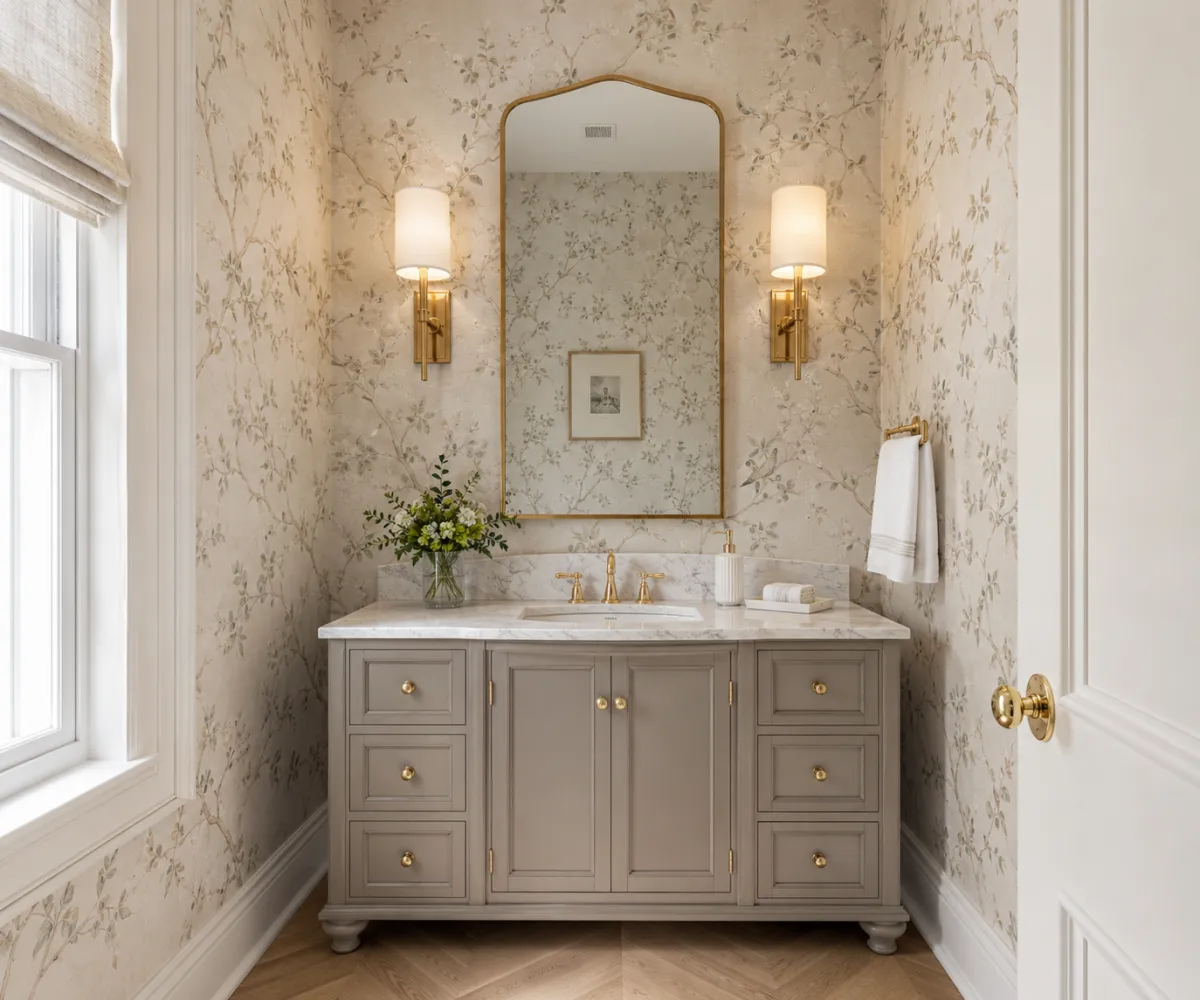
A professionally installed wallcovering can completely transform a small space. This powder room was carefully planned to keep the pattern balanced around the vanity, mirror, corners, and architectural details.
Designer Powder Room
Detailed Pattern Placement
Careful positioning helps the design look balanced across every wall.
Clean, Finished Appearance
Precise trimming and attention to detail create a polished final result.

Natural wallcoverings bring warmth, texture, and depth to a room. Grasscloth requires careful handling because every panel has its own natural shading and character.
Grasscloth Feature Wall
Natural Texture
Each panel adds subtle variation and a rich, handcrafted appearance.
Specialty Installation
Proper preparation and careful placement help protect this delicate material.
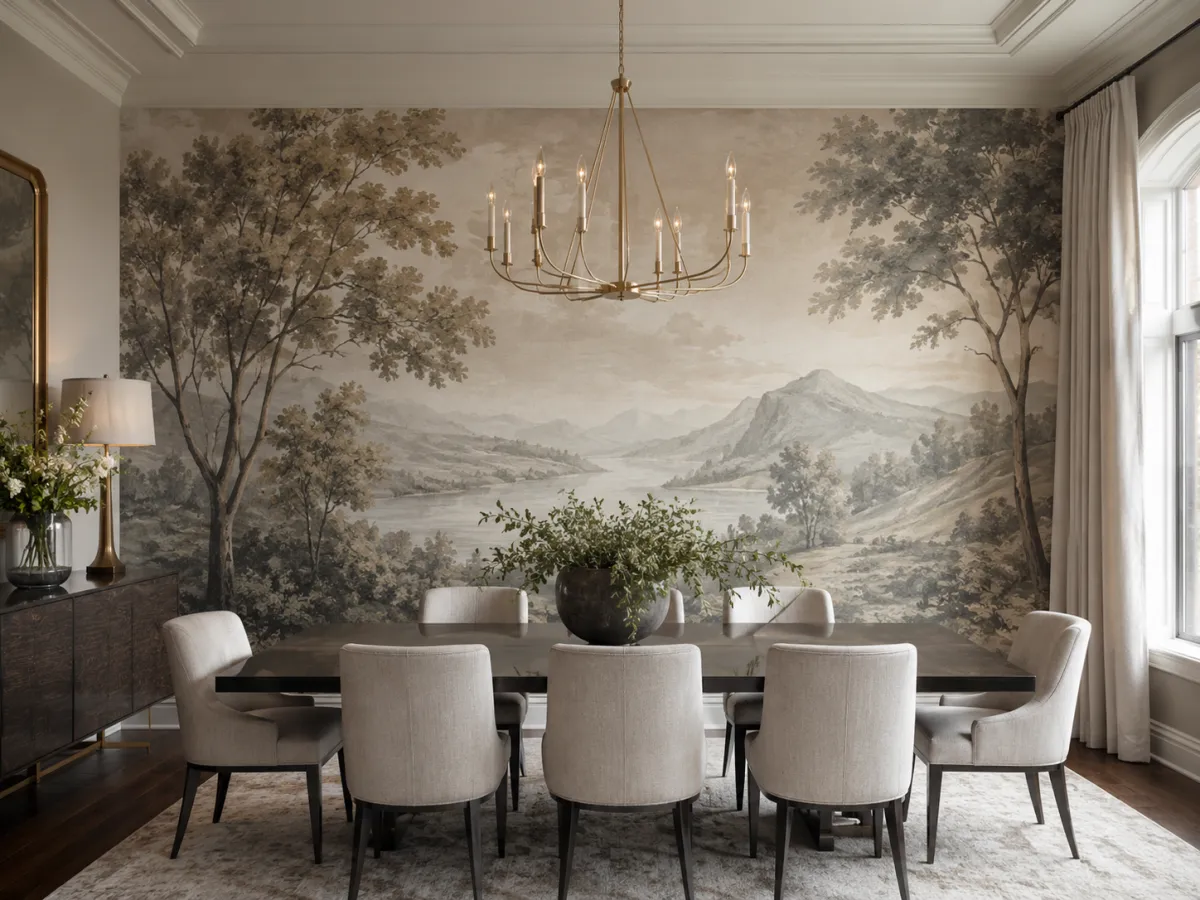
Large murals require accurate measurements and careful panel positioning. Every section must be installed in the correct order so the artwork flows smoothly across the entire wall.
Custom Mural Installation
Careful Panel Alignment
Each panel is positioned to keep the artwork continuous and properly matched.
Dramatic Visual Impact
A custom mural creates a strong focal point and changes the feeling of the entire room.
A BETTER WALLCOVERING EXPERIENCE
Professional Installation Makes the Difference
The right preparation, planning, and installation experience can help prevent unnecessary problems and produce a cleaner finished result.
WITHOUT PROFESSIONAL INSTALLATION:
Uncertainty about wall preparation
Incorrect measurements or material quantities
Misaligned patterns and visible seams
Damage to delicate wallcoverings
Unexpected delays and added costs
WITH PROFESSIONAL INSTALLATION:
Proper surface evaluation and preparation
Accurate planning and material guidance
Careful pattern matching and alignment
Experienced handling of specialty materials
A cleaner, more professional finished result
WHO WE WORK WITH
Wallcovering Services for Every Type of Project
For Designers
Reliable installation support for interior designers, decorators, and design firms managing residential and commercial projects.
For Homeowners
Professional guidance and installation for accent walls, powder rooms, bedrooms, murals, and complete interiors.
For Builders & Businesses
Organized installation services for contractors, property managers, offices, hospitality spaces, and commercial interiors.
ABOUT US
Experience. Precision. Professionalism.
Professional wallcovering installation is about more than applying material to a wall. It requires proper preparation, careful planning, and attention to every detail.

Quality workmanship, every step of the way.
“We believe every wallcovering project deserves clear communication, careful preparation, and professional installation. Our goal is to make the experience smooth from the first conversation through the final inspection.”
– Owner, MASTER - Wallcovering 1
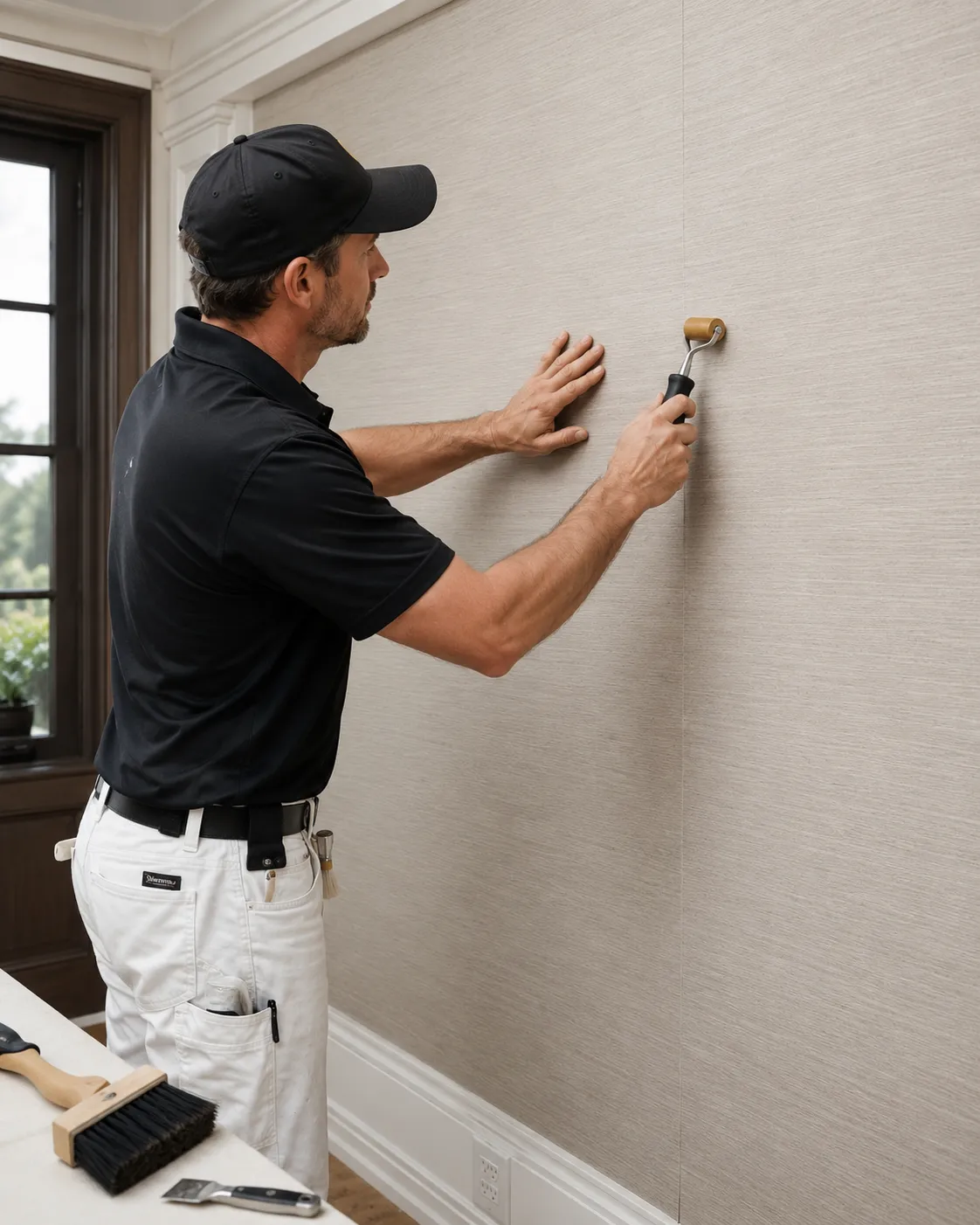
OUR COMMITMENT TO QUALITY
Professional Workmanship You Can Trust
Every project is approached with careful preparation, clear communication, and close attention to installation details. Our workmanship warranty offered will be clearly explained in your estimate or service agreement.

FAQ
Frequently Asked Questions
Helpful answers about estimates, preparation, materials, scheduling, and professional wallcovering installation.
How do I request an estimate?
Start by sharing your project location, photos of the walls, approximate measurements, and information about the wallcovering. After reviewing the details, the installer will explain the next step and whether an on-site visit is needed.
Do the walls need to be prepared before installation?
Wallcovering performs best on walls that are clean, smooth, dry, and properly sealed. The installer will review the wall condition and explain any preparation that may be required before installation begins.
Do you install all types of wallcovering?
Services may include standard wallpaper, grasscloth, murals, textiles, vinyl, metallics, and other specialty materials. The exact material should be reviewed before the project is approved and scheduled.
Do you supply the wallcovering?
In most cases, the client or designer supplies the wallcovering. The installer may help review the material details and confirm whether the quantity appears appropriate before installation is scheduled.